
12
Artifacts digitized
EN + FR
English and French
6 weeks
Development time
200+
People tried it at DiscoveryX 2026
What we built for the C&E Museum
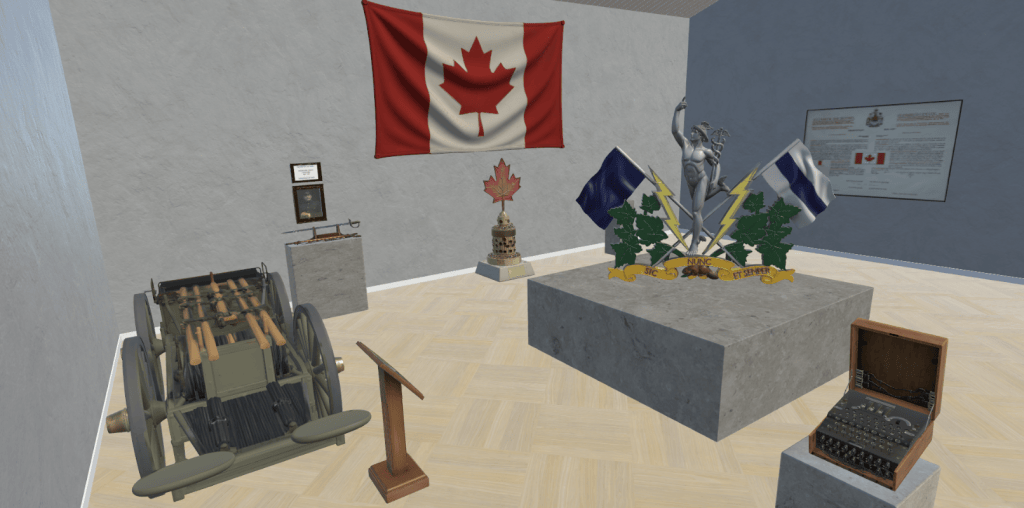
We 3D scanned 12 of those artifacts with LiDAR and built a museum digital twin in VR that runs on the Meta Quest. Visitors take a virtual tour of the gallery, pick up each artifact and look at it up close. It works in English and French.
A digital twin is a scanned copy of a real object, built so people can explore it. See our digital twin services for museums and heritage collections.
The challenge
Fragile artifacts most people never get to see up close
A lot of the C&E Museum’s collection is fragile, and some pieces are one of a kind. The museum is in Kingston, so most people will never see them up close.
Handling carries real risk. The more a fragile object is touched or moved, the faster it deteriorates. The museum wanted a VR experience that gets visitors closer to the collection than the originals allow.
The solution
A dozen artifacts scanned and rebuilt as a VR digital twin
We LiDAR scanned the artifacts on-site in Kingston. Those scans became the base of a virtual museum gallery built in Unity, where each digitized artifact is placed and ready to explore.
Visitors put on a headset, walk through the space and pick up individual artifacts for a close look. There’s no glass and no barrier between the visitor and the object.
The C&E team told us the finished models matched what you see standing in front of the real thing.

The process
Discovery and scope
We picked the artifacts to scan and set the VR requirements with the C&E Museum team. We agreed on how visitors would interact with each artifact and how detailed the models needed to be before any scanning started.
On-site capture
LiDAR scanning and photogrammetry on location at the museum in Kingston. We made multiple capture passes on each artifact to get the shape and surface detail right.
Digital production
We rebuilt the scans as clean 3D models with mesh reconstruction, texturing and polygon optimization in Unity. Then we placed them in a purpose-built virtual gallery where visitors can walk around and pick artifacts up.
Testing and optimization
We ran user acceptance testing and playability passes before the public demo. We checked performance, comfort in VR and how reliably the interactions worked across all 12 artifacts.
Public demo
We took it to DiscoveryX 2026 in Toronto as a walk-up pop-up museum, and over 200 people tried it. We showed it again at Super Jimmy Day, which the C&E Museum runs for veterans and their families.
More projects
Maple Mind Academy
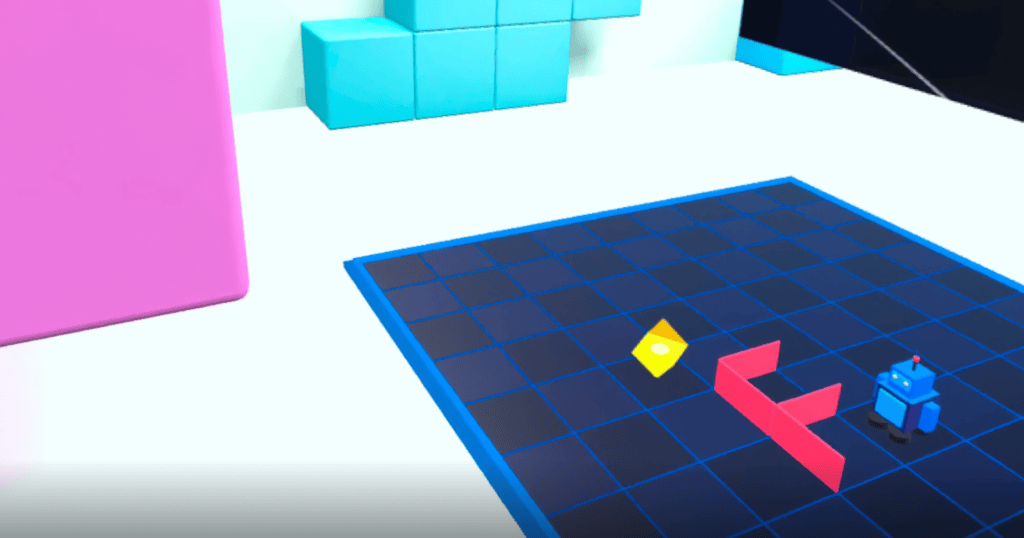
Kidz Bot: VR coding and robotics simulation
A VR block-coding and robotics sim that layers onto Maple Mind’s camp curriculum. No robot kits, no logins, runs every session.

St. Lawrence College
Solar trailer assembly VR simulation
A real solar trailer, scanned and rebuilt in VR, so Solar Systems Technician students learn the install before touching live equipment.
How we do this work: digital twins for museums and heritage collections, and VR and AR simulations.